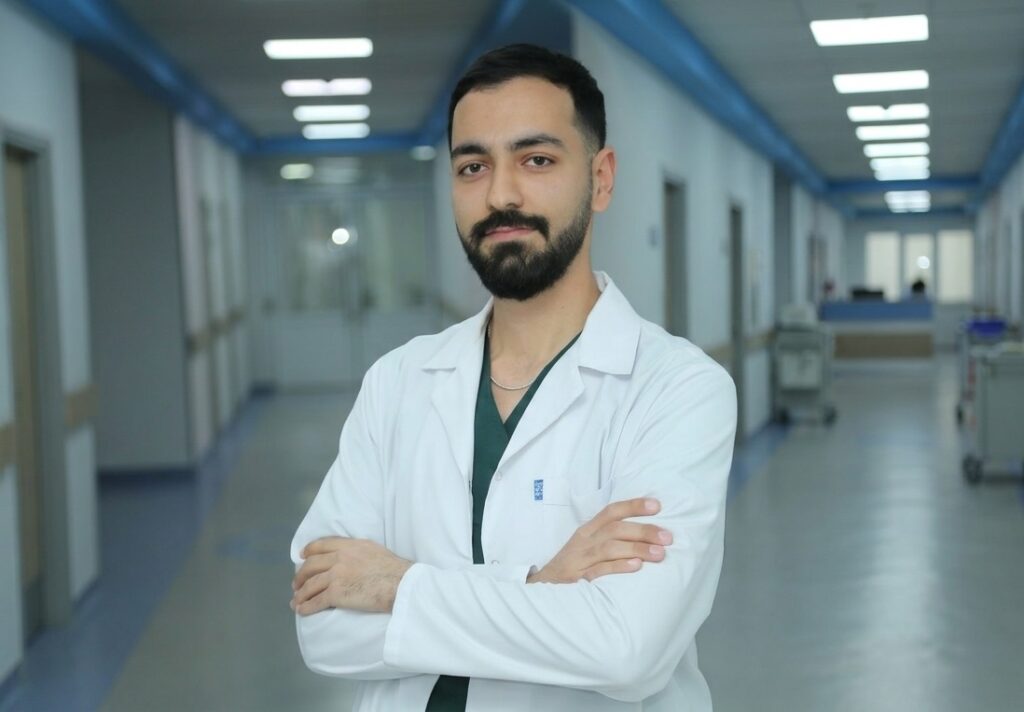
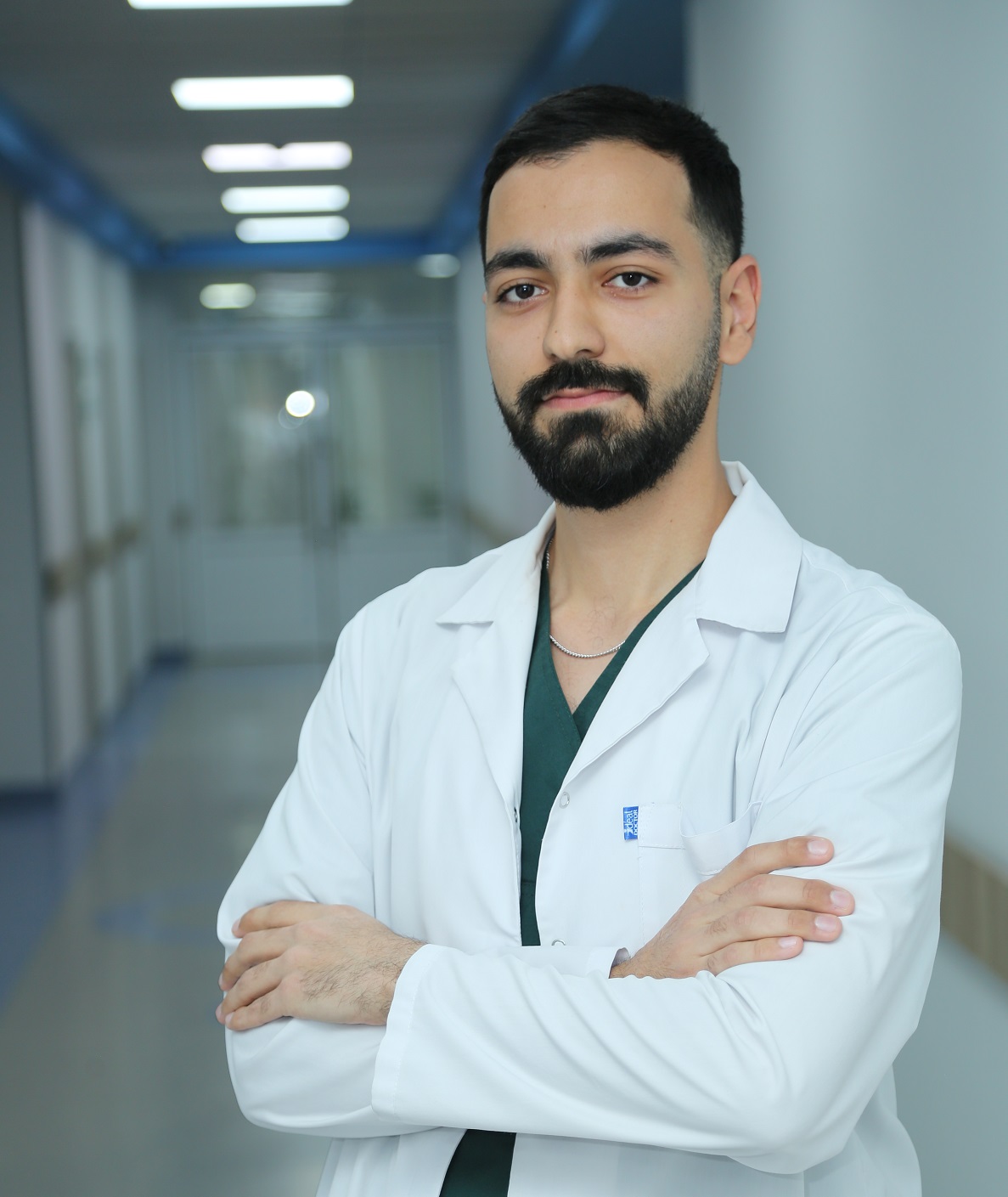
YSMU graduate Hooman Amirifadiheh has made a clear decision: he will live and work in Armenia. The young Iranian graduated from the Faculty of General Medicine, and will study traumatology clinical residency in Armenian. His brother, Amirhossein, is also a future doctor. He is a 4th-year student at the Faculty of Dentistry.
Hooman, a future traumatologist, aspires to work at the “Heratsi” University Hospital.
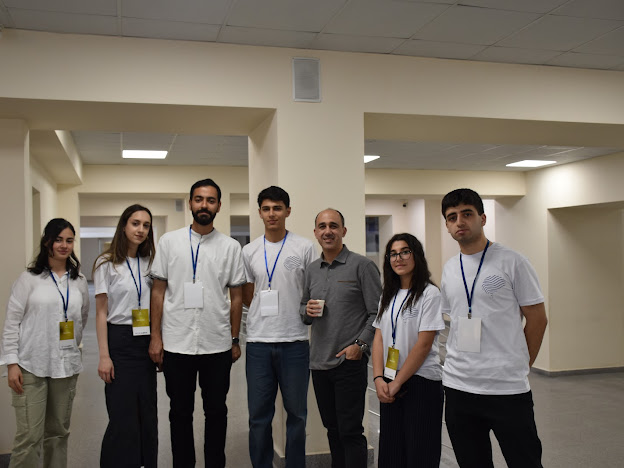
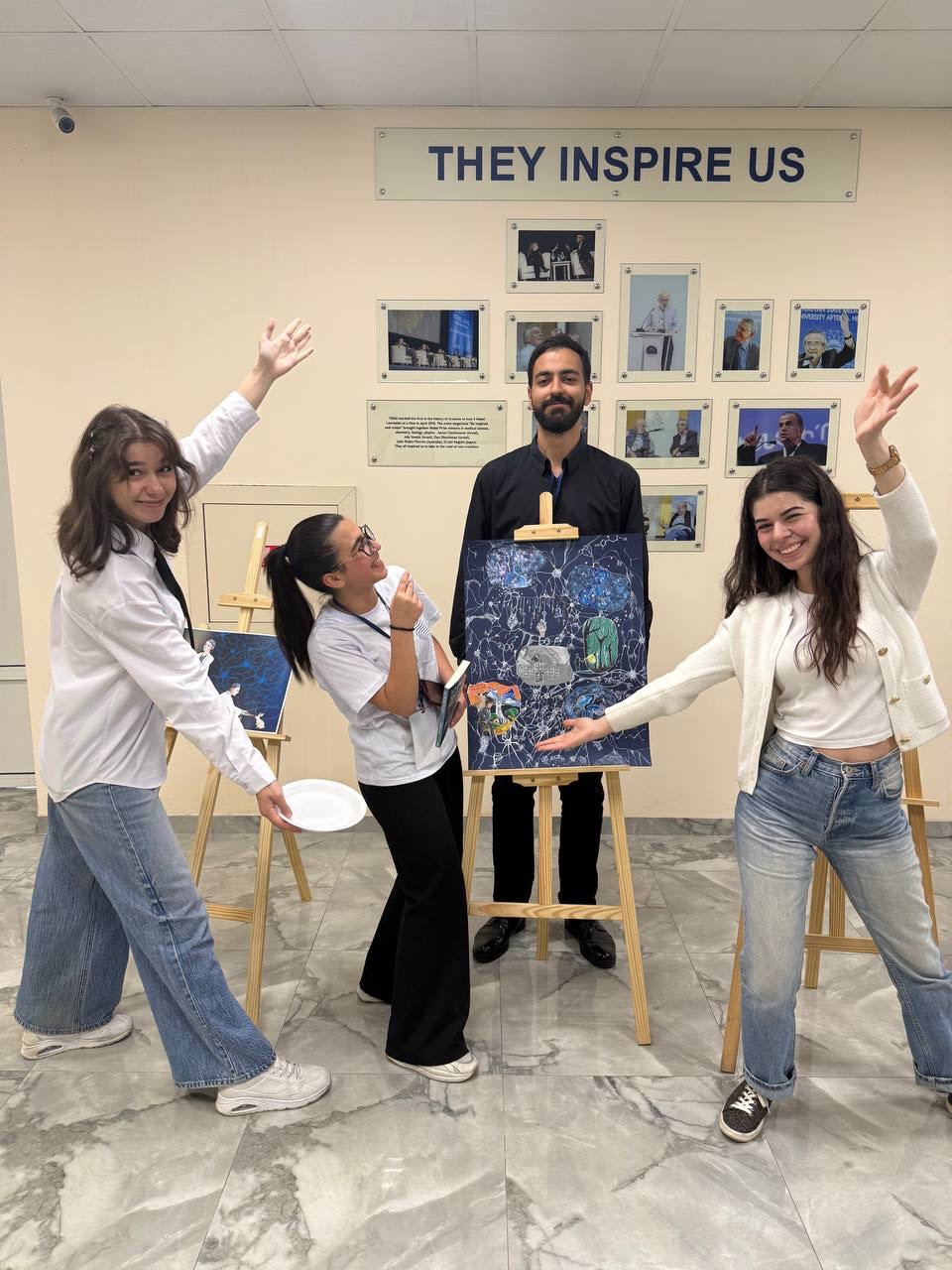
Since his second year, he has actively participated in the activities of the Research Department of the Student Parliament of the Medical University, the “Lancet” surgical platform, is a participant in the work of the “COBRAIN” Center for Fundamental Brain Research, and is also a member of the Student Scientific Society team.
Human also selflessly helps those from Iran, Lebanon, France, Australia and several other countries who are interested in medical education in Armenia through his personal page.
We talked to the Iranian graduate about the advantages and challenges of medical education, his favorite subjects, and his professional future.
- Hooman, why did you decide to study medicine?
- I decided to study medicine because I have always been interested in the human body and wanted a profession where I could have a meaningful impact on people’s lives. For me, medicine is not just a career; it is also a responsibility and an opportunity to help others.
- What motivated you to study medicine abroad?
- I was motivated by the opportunity to study in an international environment and gain new experiences. Studying abroad allowed me to meet people from different cultures and backgrounds, become more independent, and develop a broader perspective.
- And why did you choose Yerevan State Medical University?
- I chose Yerevan State Medical University because of its long history and strong reputation in medical education. It was important for me to receive a solid theoretical foundation while also having opportunities to develop my clinical skills and gain practical experience.
- What was the most challenging part of your education here?
- The most challenging part was dealing with the large amount of information and learning how to apply it correctly. Medical education requires discipline, good time management, and continuous effort. Over time, I learned how to organize my studies more effectively and prioritize what was most important.
- Which subject did you enjoy the most, and why?
- I particularly enjoyed the clinical subjects, especially those that connected theoretical knowledge with real patients. I liked not only understanding the mechanisms of a disease but also thinking about how that knowledge could be used to help a specific patient.
- When did you first interact with real patients, and what was that experience like?
- My first interaction with real patients was a very important experience for me. At first, I felt a little nervous because I understood that I was dealing with a real person’s health. However, the experience taught me how important it is to listen carefully, communicate effectively, and connect theoretical knowledge with real clinical situations.
- What do you enjoy most about your work now?
- What I enjoy most is knowing that my work has a purpose and can have a positive impact on someone’s life. I also appreciate that medicine gives me the opportunity to keep learning and developing professionally.
- What skills do you think are most important for a good doctor?
- I believe that a good doctor needs strong medical knowledge, critical and clinical thinking, good communication skills, patience, and empathy. A doctor should not only be able to diagnose and treat a patient but also listen to them and build a relationship based on trust.
- What advice would you give to someone considering studying medicine?
- I would advise them to choose medicine only if they are genuinely interested in the profession and willing to spend many years learning and developing themselves. Medicine is not an easy path, but it is a very meaningful profession if you choose it for the right reasons.
- What has medicine taught you about people and life?
- Medicine has taught me to be more patient, attentive, and empathetic. I have learned that health is one of the most important things in a person’s life. When someone is ill, even a small amount of attention, kindness, and understanding can make a significant difference.
- Has studying medicine changed your personality or worldview?
- Yes, definitely. I believe medicine has made me more responsible and patient. It has also taught me to look at situations from different perspectives and avoid making conclusions too quickly. Most importantly, it has taught me that learning and self-development should never stop.
- Where do you see yourself professionally in five or ten years?
- In five or ten years, I see myself as an experienced and reliable physician who continues to develop professionally. I would like to have strong clinical experience, continue my education, and eventually share my knowledge and experience with medical students or younger colleagues.
Interview: Tatevik Ghazaryan
Photos: Mari Galstyan